
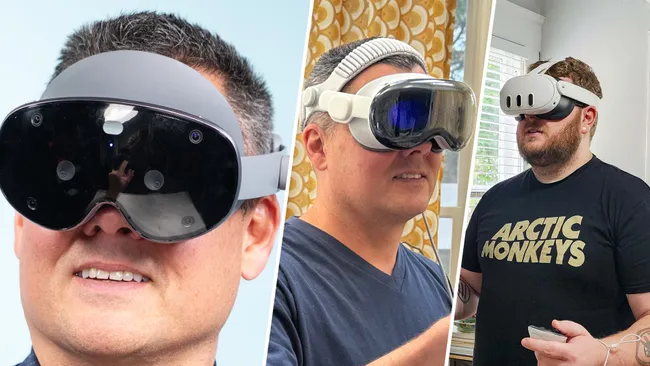
With spatial computing becoming more accessible, selecting the right head‑mounted device is increasingly difficult. Moreover, the divides between virtual reality (VR), augmented reality (AR) and mixed reality (MR) are blurring. Consequently, three prominent headsets stand out: the Galaxy XR, the Apple Vision Pro and the Meta Quest 3. Each targets a slightly different market, yet all aim to deliver immersive experiences. Therefore, understanding their strengths and trade‑offs is essential before investing.
Key Specifications and Ecosystems Compared
Let’s begin by examining the core hardware and ecosystem features of each device.
Samsung Galaxy XR: Samsung’s new entry is powered by a Snapdragon XR2+ Gen 2 chip, paired with 16 GB RAM and 256 GB storage. It uses dual Micro‑OLED displays (3,552×3,840 resolution), offering about 27 million pixels and a field of view (FOV) of 109° horizontal / 100° vertical. It runs the Android XR platform with built‑in Google Gemini AI and supports Android apps via Google Play. Business Standard+1
Apple Vision Pro: Apple’s high‑end device features a micro‑OLED display system with around 23 million pixels, supports up to 120 Hz refresh, and runs visionOS built on M‑series (M5 or M2) chips. It excels in build quality, optical clarity and content ecosystem. apple.com+1
Meta Quest 3: Positioned as a more affordable standalone device, the Quest 3 uses the Snapdragon XR2 Gen 2, offers per‑eye resolution of 2,064×2,208, 8 GB RAM baseline, and supports both VR and mixed‑reality passthrough. Its strength lies in value and gaming‑centric library. Android Central+1
In essence: Samsung focuses on AI and Android app flexibility; Apple prioritises premium build, optics and ecosystem; Meta emphasises price‑performance for gaming and mainstream adoption.
Strengths & Use‑Cases: Which One Stands Out?
Each headset has scenarios where it shines.
Galaxy XR: If you want a flexible platform with Android app support, voice/gesture/eye controls via Gemini AI, and high‑res visuals without the ultra‑premium price, this device is compelling. With its open platform, you can sideload apps and use PC‑VR via streamed content. Reddit
Vision Pro: Ideal if you prioritise comfort, premium materials, optical clarity and a curated ecosystem. Apple’s device fits users who want a “spatial computing” experience, integrating productivity, immersive media and seamless device continuity.
Quest 3: Best for budget‑conscious users, gamers, or first‑time XR adopters. It delivers excellent value, robust game library, and mixed reality support at a lower cost.
Because you’ll use the headset differently depending on your interests (productivity vs gaming vs app ecosystem), your ideal choice may vary.
Trade‑Offs & What to Watch
That said, no headset is perfect. Each has its compromises.
Samsung Galaxy XR: Battery life is relatively modest (≈2 hours general use, 2.5 hours video) and controllers/accessories may cost extra. Some users highlight comfort and content ecosystem gaps as issues. Reddit
Apple Vision Pro: Price is steep (multiple thousands USD), device weight is higher, and the closed ecosystem may limit gaming and third‑party flexibility.
Meta Quest 3: While value‑oriented, it may not match the optics or resolution of the higher‑end models, and battery life and processing headroom may not suit heavy productivity tasks.
Thus, aligning your priorities — battery life, app access, comfort, ecosystem — is key before you buy.
Which One Should You Choose? Decision Guide
Here’s how you might decide which headset is best for you:
- Choose Galaxy XR if you:
- Use Android apps heavily and value Google ecosystem integration.
- Want a more open platform with sideloading or PC‑VR streaming potential.
- Seek high resolution and AI features without Apple’s premium pricing.
- Choose Vision Pro if you:
- Are deeply invested in the Apple ecosystem (Mac, iPhone, iPad) and want seamless continuity.
- Value premium optical quality, build, and developer‑rich content ecosystem.
- Are comfortable with the higher price and limited flexibility in third‑party games.
- Choose Quest 3 if you:
- Are primarily a gamer or XR‑curious user seeking strong value.
- Have a moderate budget but still want good resolution and mixed‑reality features.
- Don’t mind trading some premium optics for affordability and wide hardware support.
In short, match the headset to your primary use case: app ecosystem and productivity vs gaming vs premium integration.
Final Thoughts & What’s Next
In conclusion, the XR space is rapidly evolving, and these three headsets mark key stops on the journey. The Galaxy XR brings high‐end hardware and AI into Android XR; the Vision Pro continues to push premium spatial computing; and the Quest 3 offers accessible XR for broader audiences.
Furthermore, as XR ecosystems grow, we can expect future models to improve battery life, comfort, optics and software support. Therefore, if you’re not in a rush, waiting for the next‑generation devices may also make sense.
Ultimately, the “right” headset for you depends on how you will use it — then match your budget, ecosystem and comfort preferences accordingly. Whether for immersive movie‑watching, spatial productivity, mixed‑reality gaming or all of the above, one of these three will likely meet your needs — as long as you pick wisely.