
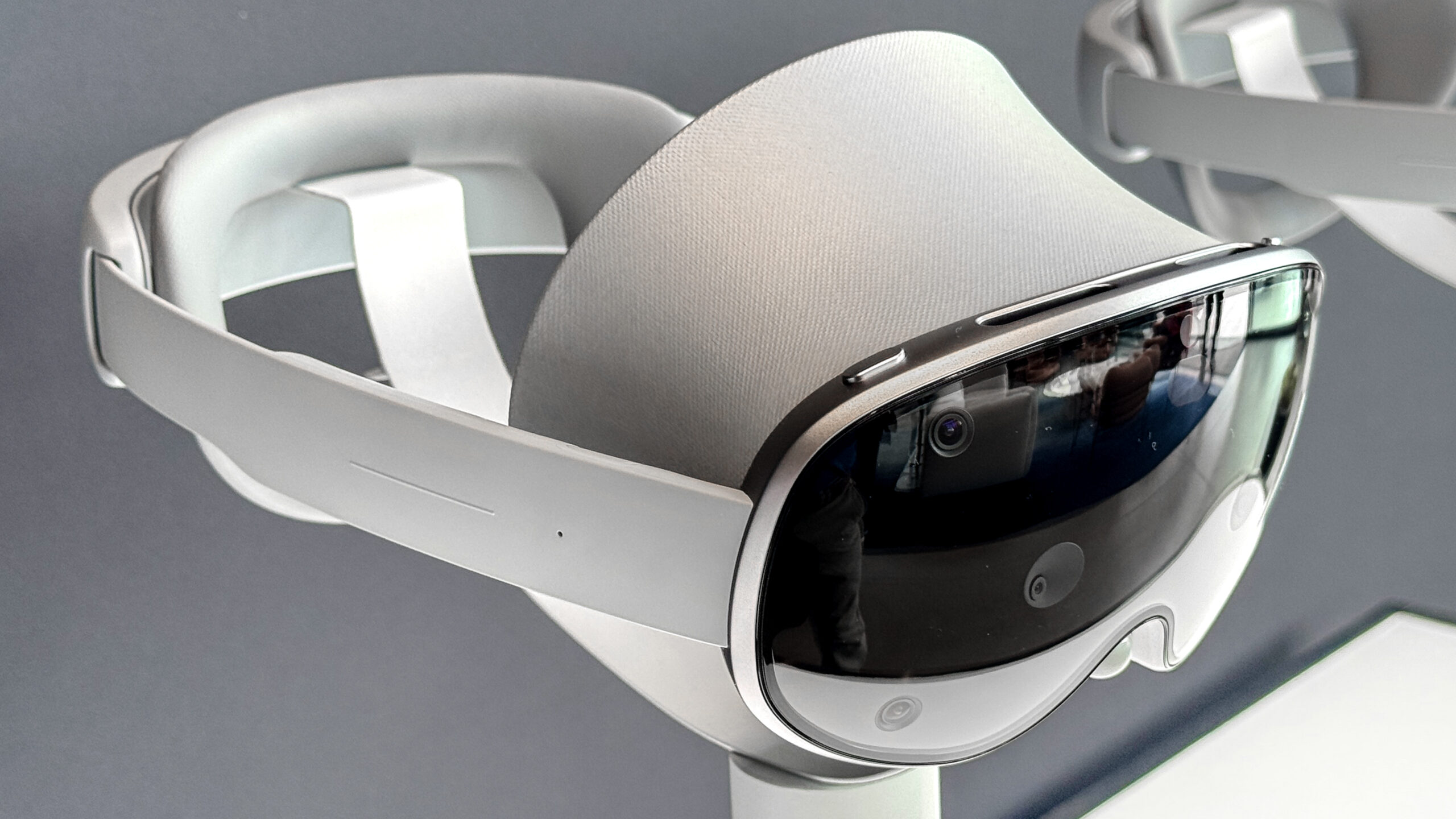
The world of virtual and augmented reality (VR/AR) just took a giant leap forward with the announcement of Samsung’s Galaxy XR headset, developed in collaboration with Google and Qualcomm. This new headset aims to redefine how we interact with technology by blending the immersive worlds of AR and VR. With major tech giants joining forces, it’s clear that the Galaxy XR is more than just another AR/VR device—it’s a transformative step toward mainstream extended reality (XR) adoption.
In this blog post, we’ll dive into everything you need to know about the Galaxy XR headset, from its groundbreaking features to its potential impact on industries like gaming, entertainment, and work.
What Is the Galaxy XR Headset?
Samsung’s Galaxy XR headset is a next-generation device that merges augmented reality (AR) and virtual reality (VR) to create a more immersive and interactive experience. Unlike traditional headsets that only support one form of reality, the Galaxy XR is capable of seamlessly blending both, providing users with a true extended reality (XR) experience.
Working in partnership with Google and Qualcomm, Samsung has developed a headset that leverages their respective expertise in software, hardware, and connectivity. Qualcomm’s Snapdragon XR platform powers the headset, ensuring fast processing speeds and immersive experiences, while Google’s ARCore and Android bring software optimization and a vast ecosystem of AR apps to the table.
One of the most notable features is the dynamic passthrough mode, which allows users to transition between immersive VR experiences and augmented AR overlays without removing the headset. This feature opens up a world of possibilities, from gaming to productivity applications.
Key Features of the Galaxy XR Headset
Samsung’s collaboration with Google and Qualcomm has resulted in a headset packed with cutting-edge technology that sets it apart from other XR devices. Here are some of the standout features:
- High-Resolution Display: The Galaxy XR headset boasts a stunning high-resolution display, providing crisp visuals for both VR and AR experiences. This ensures that users are not only immersed in lifelike environments but also able to interact with digital elements overlaid onto the real world.
- Qualcomm’s Snapdragon XR Platform: Powered by the Snapdragon XR2 Gen 2, the headset offers ultra-low latency and high processing power, enabling smoother gameplay and faster interaction with virtual environments. This platform ensures seamless experiences for both VR gaming and enterprise applications.
- ARCore Integration: With Google’s ARCore onboard, the Galaxy XR headset brings support for a range of augmented reality apps, making it versatile for both entertainment and productivity. From virtual furniture placements to real-time translations, ARCore will be a key driver of the headset’s functionality.
- Comfortable Design: Samsung has paid close attention to comfort, using lightweight materials and ergonomic design to ensure the headset can be worn for extended periods without causing discomfort. The adjustable straps and cushioned face padding make it suitable for various head sizes.
- Spatial Audio: Integrated spatial audio provides an immersive sound experience that adjusts based on the user’s position within virtual and augmented environments, enhancing the sense of presence and immersion.
The Partnership Between Samsung, Google, and Qualcomm
The success of the Galaxy XR headset is largely thanks to the partnership between three tech powerhouses—Samsung, Google, and Qualcomm. Each company brings its own expertise to the table, resulting in a product that stands out in the crowded XR market.
- Samsung has long been a leader in display technology and mobile devices, so it’s no surprise that they’ve developed a device that offers high-quality visuals and seamless integration with other Samsung products.
- Google, with its ARCore platform, has been at the forefront of AR development for years. By partnering with Samsung, Google ensures that the headset has access to a vast library of AR apps and features, giving it a significant edge in the mixed-reality space.
- Qualcomm’s Snapdragon XR platform provides the computing power needed to support advanced XR experiences, ensuring smooth performance and fast processing speeds for the device’s immersive applications.
This collaboration is more than just a one-off project; it represents the growing interest and investment in the XR ecosystem as a whole. With these three companies working together, the Galaxy XR headset has the potential to be a game changer for both consumers and businesses.
The Impact on Gaming and Entertainment
One of the most exciting aspects of the Galaxy XR headset is its potential to revolutionize the gaming and entertainment industries. The headset promises to deliver an immersive VR experience, but it doesn’t stop there. Thanks to the combination of AR and VR, users can expect to engage with content in new and innovative ways.
- Immersive Gaming: With Snapdragon XR2 Gen 2 and ARCore, the Galaxy XR headset is primed to provide an incredible gaming experience, whether in fully virtual worlds or through augmented reality. Gamers can expect richer gameplay, interactive environments, and smoother graphics.
- Interactive Movies and TV Shows: Beyond gaming, the ability to overlay digital elements onto real-world environments opens up opportunities for interactive media. Imagine watching your favorite show while interacting with holographic objects that appear in your living room.
- Virtual Concerts and Live Events: The headset could also be used for virtual concerts, sports events, and live performances. With spatial audio and immersive visuals, users can attend events remotely and feel like they are actually there.
Business and Productivity Applications
While gaming and entertainment are exciting, the Galaxy XR headset has significant potential in the business and productivity sectors as well. The ability to blend AR and VR into a single device opens up countless possibilities for enterprise applications.
- Virtual Workspaces: With remote work becoming the norm, the headset allows businesses to create virtual workspaces where employees can collaborate in real time, regardless of their physical location. AR can be used to overlay data and instructions in the real world, while VR can create immersive training environments.
- Productivity Tools: Apps like virtual whiteboards, AR-assisted note-taking, and immersive video conferencing could significantly enhance workplace productivity. Imagine sitting in a virtual meeting while interacting with 3D models and data projections.
- Education and Training: The headset’s immersive capabilities could transform the way education and training are conducted. From virtual classrooms to hands-on simulations, learners can experience practical, real-world applications without leaving their homes.
Conclusion: The Future of Extended Reality is Here
The Samsung Galaxy XR headset marks a major step forward in the world of extended reality. Thanks to the collaboration with Google and Qualcomm, this device has the potential to reshape the way we experience both the digital and physical worlds. Whether you’re a gamer, an entertainment enthusiast, or a business professional, the Galaxy XR headset offers something for everyone. As the XR ecosystem continues to grow, we can expect even more exciting developments in the coming years.
For now, the Galaxy XR headset is a glimpse into the future of immersive technology. Stay tuned for more updates as Samsung, Google, and Qualcomm continue to push the boundaries of what’s possible in extended reality.