In today’s world, where climate change and resource scarcity dominate global discussions, green building technology and energy efficiency have become essential components of sustainable development. Modern construction isn’t just about creating aesthetically pleasing spaces—it’s about designing buildings that consume less energy, reduce waste, and minimize environmental impact. Let’s explore how green building technology is transforming the construction landscape and paving the way for a cleaner, more energy-efficient future.
1. What Is Green Building Technology?
At its core, green building technology refers to the use of innovative materials, designs, and construction practices that prioritize sustainability. Unlike traditional buildings, green structures focus on energy conservation, reduced carbon emissions, and efficient use of natural resources.
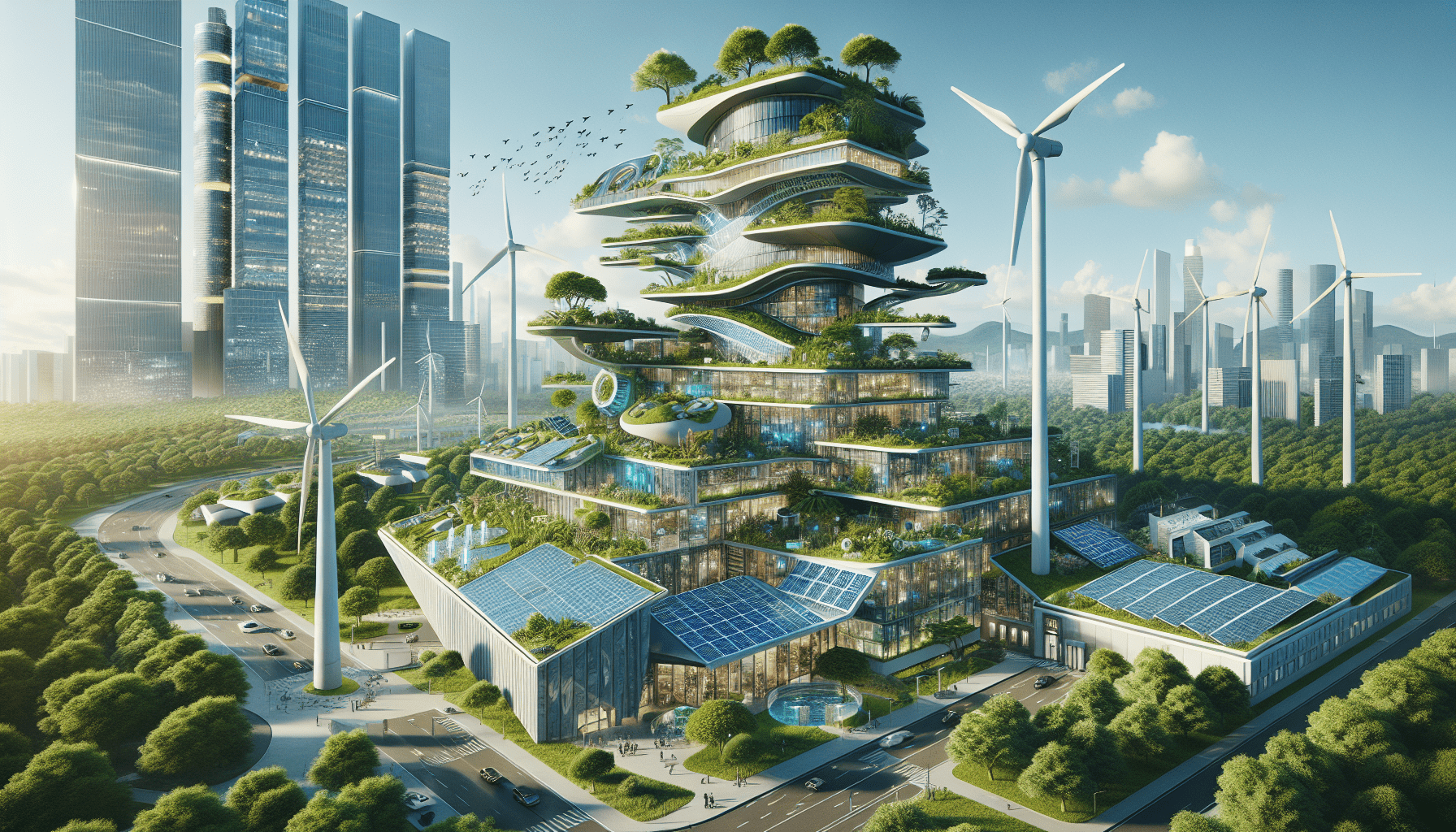
For example, many modern buildings incorporate renewable energy systems such as solar panels, wind turbines, and geothermal heat pumps. Additionally, sustainable construction often utilizes eco-friendly materials like recycled steel, bamboo, or low-emission concrete. Together, these practices ensure that every stage—from design to demolition—leaves a smaller ecological footprint.
2. The Role of Energy Efficiency in Green Buildings
Energy efficiency lies at the heart of green building design. It involves using less energy to achieve the same or even better performance. By optimizing systems such as heating, ventilation, lighting, and insulation, buildings can significantly cut down on their energy consumption.
Furthermore, incorporating smart technologies—like motion sensors, automated lighting controls, and energy-monitoring software—helps in managing power use effectively. These systems can identify patterns, adjust energy consumption in real time, and reduce wastage. As a result, energy-efficient buildings not only protect the environment but also lead to substantial cost savings for owners and occupants.
3. Innovative Green Building Technologies
With rapid advancements in technology, the construction industry now has access to a wide range of innovative solutions that make buildings smarter and greener. Some of the most impactful technologies include:
- Smart Glass and Windows: These can automatically adjust their tint based on sunlight, reducing glare and minimizing cooling needs.
- Green Roofs and Walls: Vegetative layers on rooftops or building exteriors act as natural insulators, improving air quality while lowering energy demands.
- Rainwater Harvesting Systems: Collecting and reusing rainwater reduces dependency on municipal water supplies and supports sustainable water management.
- Passive Solar Design: Strategic placement of windows, shades, and walls allows buildings to maximize natural light and heat, cutting down on artificial energy use.
Each of these innovations demonstrates how technology and sustainability can work hand in hand to create healthier, more efficient living and working environments.
4. Benefits of Green Building and Energy Efficiency
The advantages of green building technology extend far beyond just saving electricity. Environmentally friendly construction offers numerous economic, social, and environmental benefits.
- Environmental Benefits: Reduced greenhouse gas emissions, lower energy consumption, and minimal waste generation.
- Economic Benefits: Energy-efficient buildings lower utility bills and often qualify for green certifications like LEED, which can increase property value.
- Health Benefits: Use of non-toxic materials and better air circulation systems promote improved indoor air quality, benefiting occupants’ health.
- Community Benefits: Sustainable buildings contribute to cleaner, greener cities and inspire eco-conscious living among residents.
Moreover, governments worldwide are offering tax incentives and grants to promote green construction, making it even more appealing for developers and homeowners.
5. Challenges in Adopting Green Building Technology
Despite its numerous advantages, the adoption of green building practices faces several challenges. The initial investment costs can be higher compared to conventional construction methods, primarily due to advanced materials and technologies.
Additionally, a lack of awareness and limited technical expertise in certain regions can slow down implementation. However, as sustainable technology becomes more mainstream and affordable, these barriers are gradually diminishing. Many companies are also focusing on training architects and builders to integrate eco-friendly practices seamlessly into their projects.
6. The Future of Green Buildings and Energy Efficiency
Looking ahead, the future of construction is undeniably green and intelligent. Emerging technologies such as artificial intelligence (AI), Internet of Things (IoT), and 3D printing are revolutionizing how buildings are designed and operated. For instance, AI-powered systems can analyze real-time data to optimize energy use automatically, while 3D printing reduces waste by using precise amounts of building material.
Furthermore, with the growing global emphasis on net-zero energy buildings, future structures will generate as much energy as they consume. These advancements will not only reshape our skylines but also redefine how we live and work sustainably.